
The transition to a fully digital payment wallet is no longer a futuristic concept but a primary financial reality in 2026, as adoption rates surpass 60% of the global population. This shift offers unparalleled convenience, effectively turning a smartphone into a universal key for commerce, identity, and transit. For the user, the most immediate “pro” is the elimination of physical friction; with the rise of “agentic commerce,” AI-powered wallets can now autonomously manage recurring bills, scout for discounts in real-time, and execute secure, biometric-verified transactions without the user ever reaching for a plastic card. For small businesses, this digital migration has been a catalyst for growth, with many reporting a 25% increase in sales due to faster checkout times and access to a broader, tech-savvy customer base.
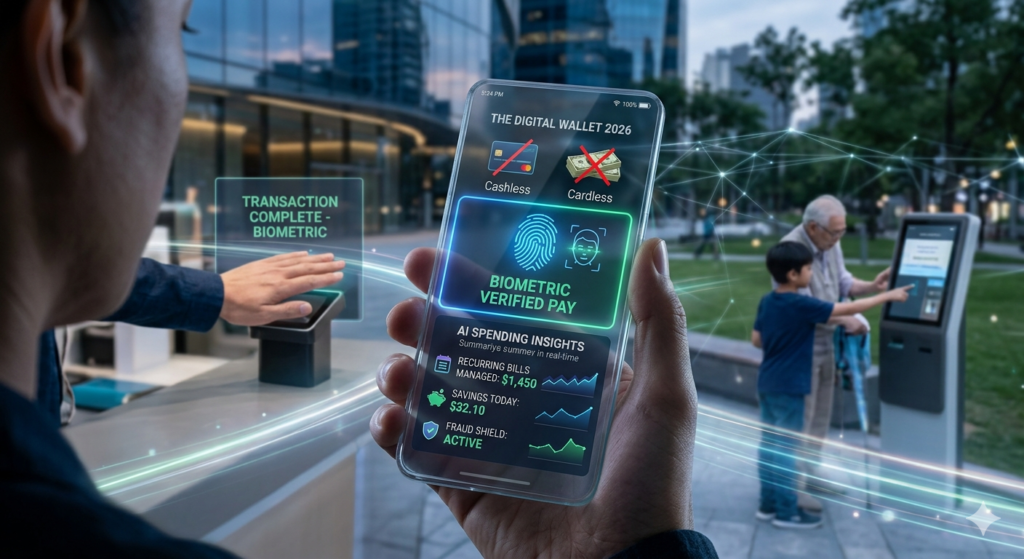
However, the convenience of an “invisible” payment infrastructure comes with significant “cons” that revolve around security and social equity. While tokenization and biometric cryptography have made individual transactions more secure than traditional swiping, they have also centralized risk; a single lost device or a sophisticated AI-driven phishing attack can potentially compromise a person’s entire financial and digital identity. Furthermore, the push for a cashless society risks deepening the “digital divide.” As of 2026, a notable segment of the population—including the elderly and those in low-income brackets with limited digital literacy—faces increasing financial exclusion as physical cash is refused by more merchants.
Ultimately, the move to a fully digital wallet represents a trade-off between efficiency and resilience. While the digital ecosystem streamlines daily life and enhances transparency in the global economy, it also creates a dependency on stable internet connectivity and electricity. For a society to fully embrace this change without leaving the vulnerable behind, the focus must shift from merely building the technology to strengthening the regulatory frameworks and educational tools that ensure digital finance remains a public good rather than a private gatekeeper.